Understanding UV and Protecting your Skin
Ultraviolet (UV) radiation is invisible energy emitted by the sun and its also emitted by sunbeds. Whilst a small amount of UV is used by the body to produce Vitamin D, overexposure damages skin DNA and is a proven group 1 human carcinogen (alongside tobacco, asbestos and alcohol) . UV drives over 90% of skin cancers and accelerates aging.
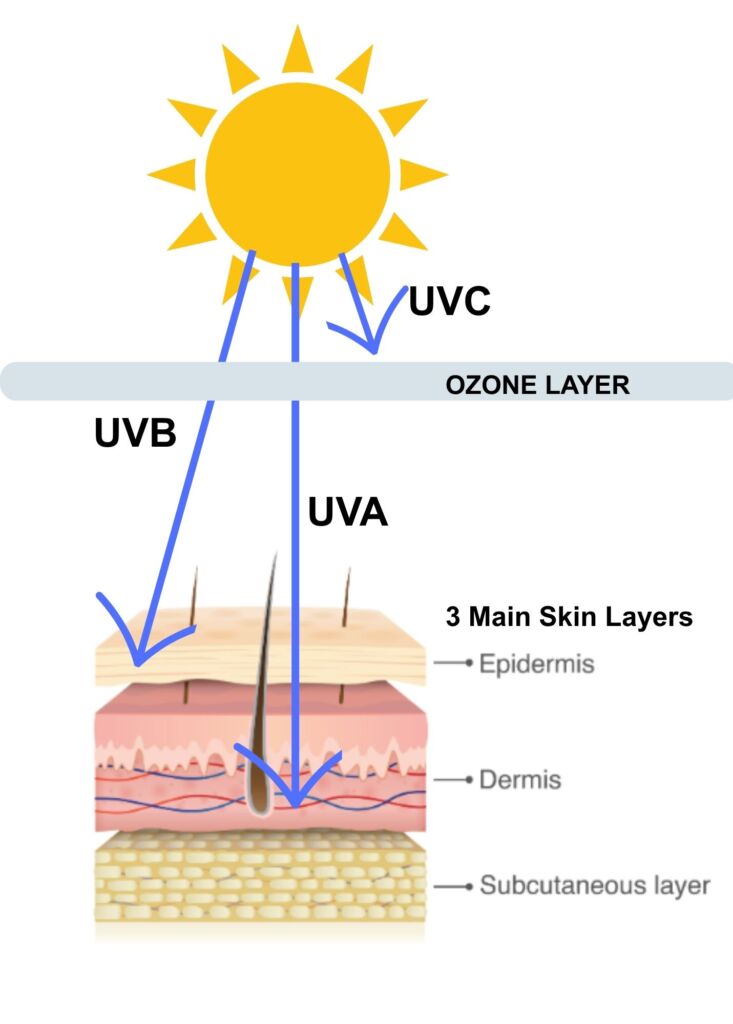
UVC rays are blocked by the ozone layer so they don’t affect us.
UVB rays penetrate the outer skin layer. They can damage the cells, causing the skin to become inflamed or sunburnt (B = Burn)
UVA rays penetrate more deeply causing damage to the skin’s supporting tissues, contributing to visible skin ageing. (A =Ageing)
Both UVA and UVB rays are attributed to causing skin cancer.
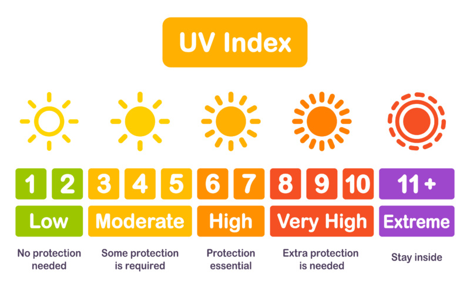
Weather forecasts and Apps increasingly include the UV index.
If the index is 3 or higher, protect your skin
Protection, Sunscreen, SPF - What do I need ?
When UV index is moderate and especially when its higher, its vital to protect your skin.
Here’s our advice…backed up by UK Gov, NHS, British Association of Dermatologists and respected organisations like Cancer Research UK
- Wear a hat, sunglasses and protective clothing to shield you from the sun
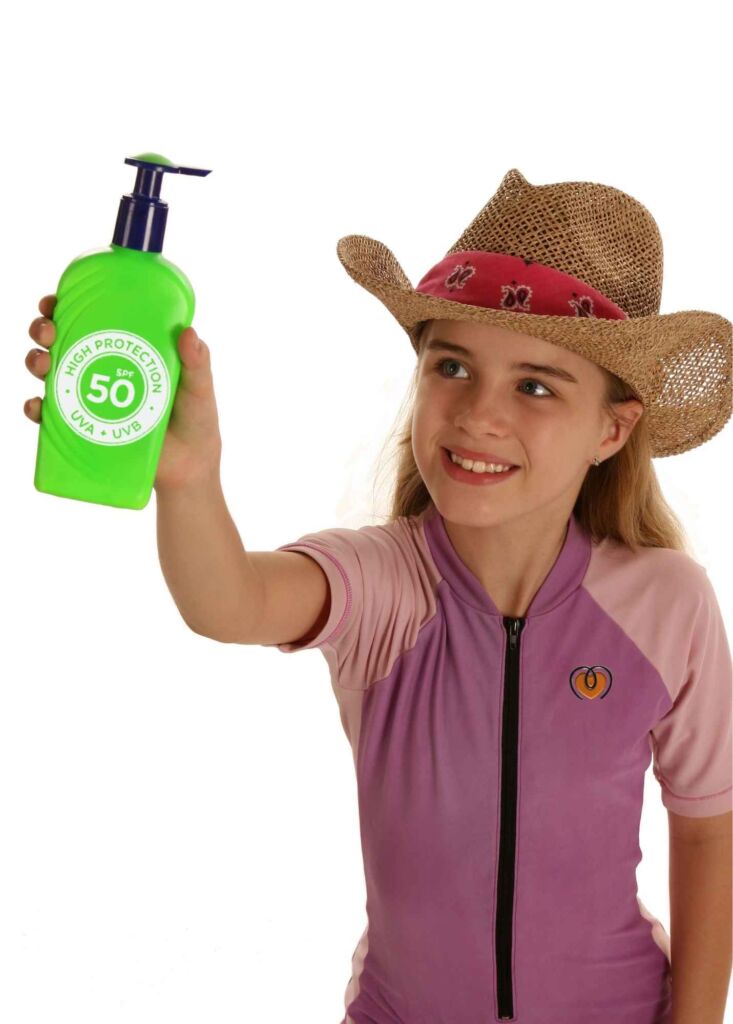
- Apply SPF 30+ (minimum) sunscreen at least 20 minutes before you go out in the sun and reapply every 2 hours and after swimming, even if its water resistant
- Use a ‘broad spectrum’ sunscreen that protects against both UVA and UVB
- Look out for the UVA star rating – we recommend a minimum of 4 stars
- Ensure your sunscreen is within the expiry date from opening
- An adult should be using around 6 to 8 teaspoons for the entire body
- Seek shade when the sun is strongest (between 11am – 3pm)
- Plan ahead, the weather can be changeable, don’t get caught without sun protection
- Keep babies and young children out of strong direct sunlight
- Avoid sunbeds completely (check out our information on sunbeds)
- Exposure to sunbeds before age of 35 increases cancer risk by up to 59% (CRUK)