
Collaboration, Education & Support
Melanoma UK exists because melanoma is one of the fastest-rising cancers, yet it is largely preventable and highly treatable if caught early. We want to help to reduce avoidable deaths and ultimately create a future where fewer people experience melanoma.
We believe through collaboration, education and support, we can help save lives, prevent avoidable cases of skin cancer, and make sure that no one faces melanoma alone.
More specifically, the charity was founded to:

Provide Trusted Information
guidance and advocacy to anyone affected by melanoma
Raise Awareness
about the dangers of skin cancer, UV protection, sun safety and the importance of regular skin checks
Campaign
for improvements, better treatments, quicker diagnosis and improved healthcare
Signpost to professional healthcare services
for expert advice, diagnosis, and treatment
Fund Research and Innovation
to advance understanding, treatment, and prevention of melanoma
Statistics provided by Cancer Research UK updated May 2026
Experienced People
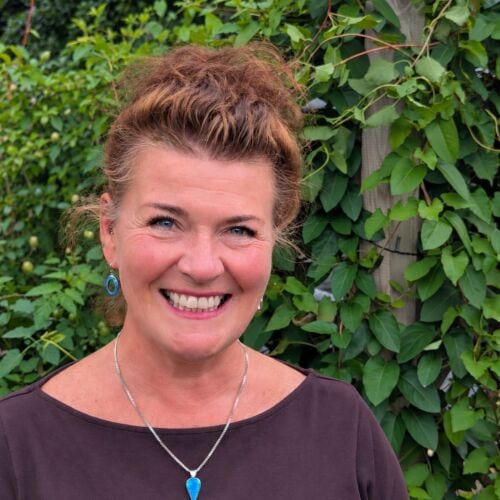
Rachel Wallace
Chief Executive Officer. Extensive senior leadership experience across the NHS, charity, BBC, local government and higher education.


Our Values and Ethics...
At Melanoma UK it is our challenge to help in improving prevention of skin cancer, support those affected and helping make a difference in the fight against it.
Our Mission is to provide support, education, and advocacy for those directly and indirectly impacted by Melanoma, in collaboration and alignment with professionals working in the field of diagnosis, treatment and research. Our core focus is to help promote skin health by reducing the instances and impact of this largely avoidable skin cancer.
Our Vision is to make a difference in the fight against melanoma by supporting advancements in prevention, treatment, and cure. By raising funds and awareness, we will help individuals to be proactive with early detection and provide information about diagnosis, treatment and support through their journey with Melanoma.
At Melanoma UK, we believe in operating our charity using best practices of corporate governance and ethical standards.
We are committed to organisational growth balanced with fiscal responsibility to ensure funds entrusted to us reach established goals.
Melanoma UK is registered with the FUNDRAISING REGULATOR
Our policies provide a set of guiding principles to help with our decision making.
The policies at Melanoma UK are not long or complicated, they are clear, simple statements of how we intend to conduct our business.
Our Policies and procedures:
|
|
|
|
|
Melanoma Statistics
Doctors collect statistical information about the different types of cancer and prognosis. Prognosis is the likely outcome of your disease and treatment. In other words, your chances of getting better and how long you are likely to live.
The main thing you should know is that if you have had an early melanoma, with no spread to your lymph nodes or any other part of your body, then it is highly likely that simply removing it will cure you. Melanoma is more difficult to treat in the later stages.
- There are around 19,400 new melanoma skin cancer cases in the UK every year, that's 53 every day (2019, 2021-2022).
- Melanoma skin cancer is the 5th most common cancer in the UK, accounting for 5% of all new cancer cases (2019, 2021-2022).
- In females in the UK, melanoma skin cancer is the 5th most common cancer, with around 9,500 new cases every year (2019, 2021-2022).
- In males in the UK, melanoma skin cancer is the 4th most common cancer, with around 9,900 new cases every year (2019, 2021-2022).

Melanoma Skin Cancer (C43) Average Number of New Cases per Year and Age-Specific Incidence Rates per 100,000 Females and Males, UK, 2019, 2021-2022
Source: Cancer Research UK
More than 9 in 10 (92.7%) people diagnosed with melanoma skin cancer in the UK survive their disease for ten years or more.
- Incidence rates for melanoma skin cancer in the UK are highest in people aged 85 to 89 (2019, 2021-2022).
- Since the early 1990s, melanoma skin cancer incidence rates have more than doubled (164%) in the UK.
- Rates in females have around doubled (122%), and rates in males have almost tripled (220%) (2019, 2021-2022).
- Over the last decade, melanoma skin cancer incidence rates have increased by around 26% in the UK.
- Rates in females have increased by more than a fifth (22%), and rates in males have increased by almost a third (30%) (2019, 2021-2022).
Statistics provided by Cancer Research UK
https://www.cancerresearchuk.org/health-professional/cancer-statistics/statistics-by-cancer-type/melanoma-skin-cancer
Accessed September 2026